USE THE AIR AROUND YOU TO HEAT THE WATER YOU NEED
Hybrid heat pump water heaters can reduce electricity use while maintaining a tank of ready hot water. Mother Plumber installs and services hybrid water heaters throughout Bloomington, Indianapolis and surrounding service areas, helping homeowners determine whether the equipment and installation space are the right fit.
PART HEAT PUMP. PART ELECTRIC WATER HEATER.
A hybrid unit transfers warmth from the surrounding air into its stored water. Built-in electric elements provide additional heating when demand increases or operating conditions require it.
HEAT PUMP OPERATION
The heat pump moves available warmth from the surrounding air into the tank, using less electricity than conventional resistance heating alone.
BACKUP ELEMENTS
Electric elements support recovery during periods of higher demand or when the heat pump cannot maintain the selected temperature efficiently.
OPERATING MODES
Available settings may prioritize efficiency, faster recovery or electric-only operation. Features and controls vary by manufacturer and model
THE ENERGY SAVINGS NEED THE RIGHT SETTING
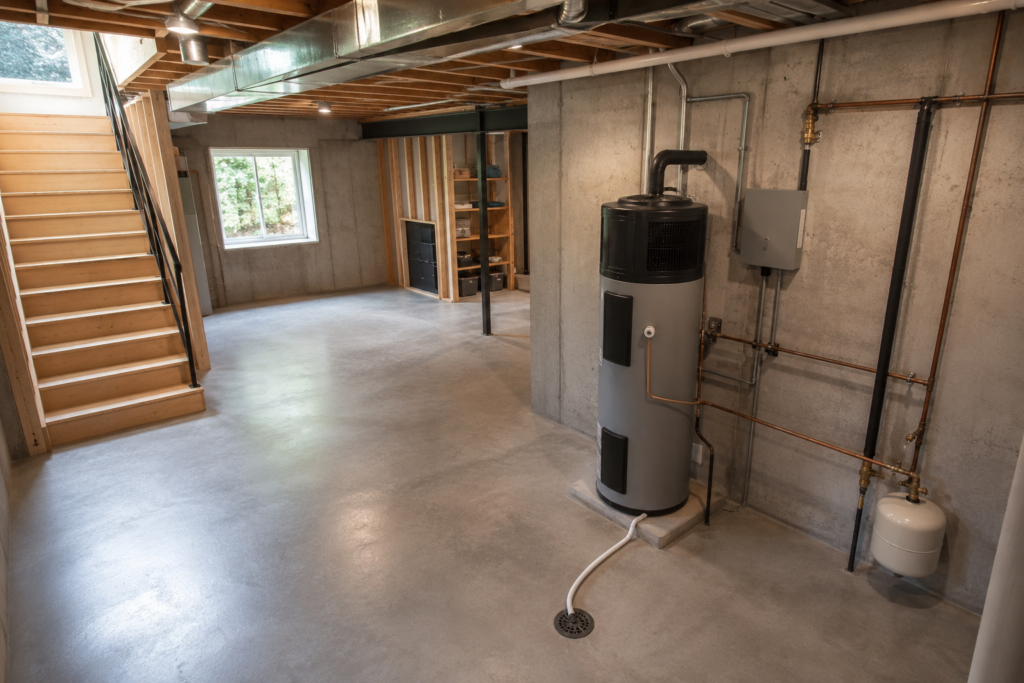
Hybrid systems can be an efficient option, but the installation space affects performance. We evaluate available air volume, room temperature, equipment height, operating sound, condensate drainage and electrical requirements before recommending a system.
- ADEQUATE AIR VOLUME & AIRFLOW
- SUITABLE ROOM TEMPERATURES
- CONDENSATE DRAINAGE
- EQUIPMENT & SERVICE CLEARANCES
- AVAILABLE ELECTRICAL CAPACITY
- HOUSEHOLD HOT WATER DEMAND
CONSIDERING A HYBRID WATER HEATER? START HERE.
WHAT IS A HYBRID WATER HEATER?
A hybrid water heater combines heat pump technology with a storage tank and electric resistance elements. It primarily transfers heat from the surrounding air into the water and can use the electric elements when additional heating is needed.
DO HYBRID WATER HEATERS USE LESS ELECTRICITY?
They can use considerably less electricity than conventional electric resistance tanks. Actual savings depend on hot water usage, utility rates, installation conditions, operating mode and the equipment being replaced.
WHERE CAN A HYBRID WATER HEATER BE INSTALLED?
Common locations include basements, garages and larger utility areas with suitable temperatures and airflow. The space must also accommodate the unit’s height, service clearances and condensate drainage.
CAN A HYBRID WATER HEATER GO IN A SMALL CLOSET?
Not automatically. Many models require a minimum surrounding air volume or approved ducting. A confined space can reduce performance unless the installation follows the manufacturer’s ventilation requirements.
ARE HYBRID WATER HEATERS NOISY?
They produce sound from the fan and compressor, similar to other heat pump equipment. Sound levels vary by model, so placement near bedrooms or frequently occupied rooms should be considered carefully.
CAN I REPLACE MY ELECTRIC WATER HEATER WITH A HYBRID MODEL?
Often, but it may not be a direct replacement. Hybrid units can be taller and require more airflow, clearance and condensate drainage. We evaluate the location and existing connections before confirming the installation.
DO HYBRID WATER HEATERS NEED MAINTENANCE?
Yes. Maintenance may include cleaning or replacing the air filter, inspecting condensate drainage and performing appropriate storage-tank maintenance according to the manufacturer’s instructions.
FIND OUT WHETHER HYBRID TECHNOLOGY FITS YOUR HOME.
Mother Plumber can evaluate your hot water needs, electrical setup and available installation space before you commit to a hybrid water heater. Get clear recommendations about the equipment and supporting work your home requires.
- HYBRID WATER HEATER INSTALLATION
- ELECTRIC-TO-HYBRID REPLACEMENT
- EQUIPMENT & CAPACITY PLANNING
- AIRFLOW & CLEARANCE EVALUATION
- CONDENSATE DRAINAGE PLANNING
- HYBRID WATER HEATER SERVICE